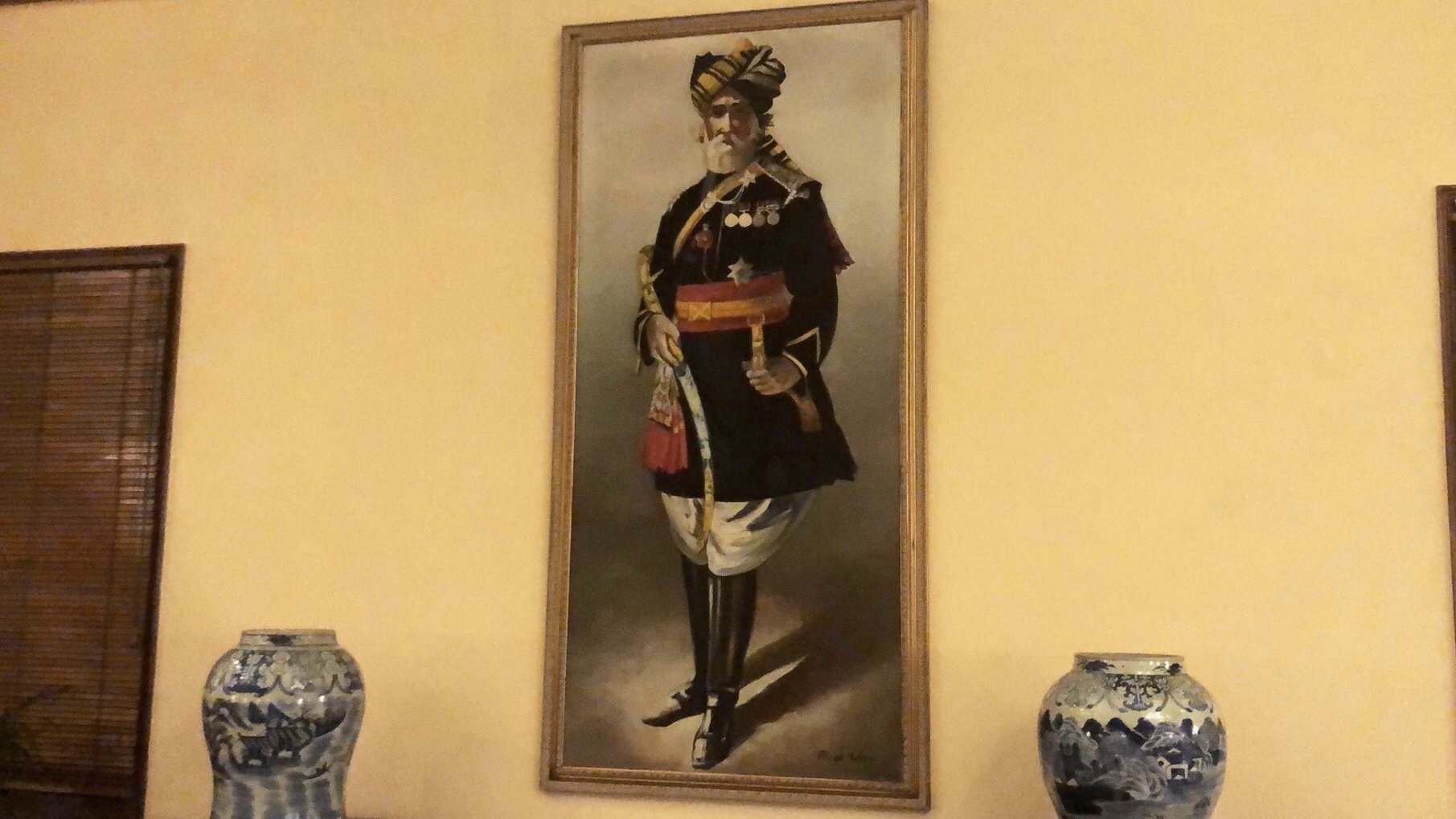
Before the invasion of Mughals the family that used to rule the northern part of India specifically Sherkot was under the rule of Diwan Anoop Singh Mathur who was one of the most respected rulers of that time, Until Sher shah, Suri invaded and tried to capture the imperial family this left a tremendous impact on the family as they had to leave the area and regroup with their allies. As the years go around the family reinstated their base during the British era upon independence, the government divided the land and reserved some part of it. Till now it is believed that when the family left Sherkot for the first time they buried their riches in the palace, and only the true heir can find it.
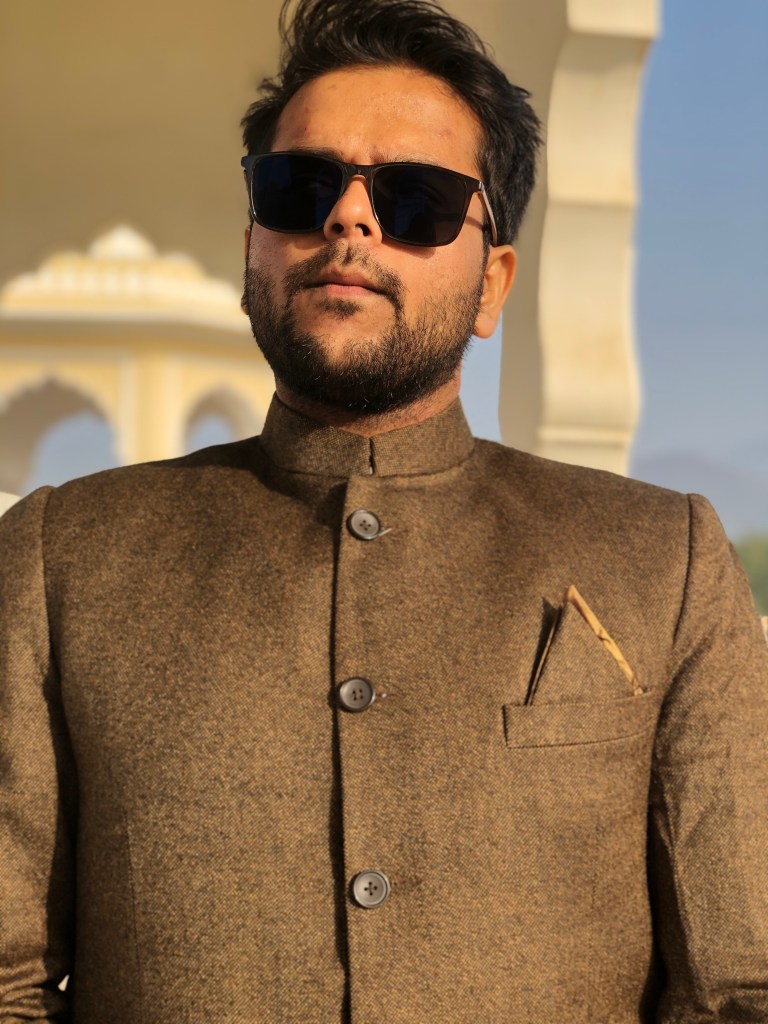
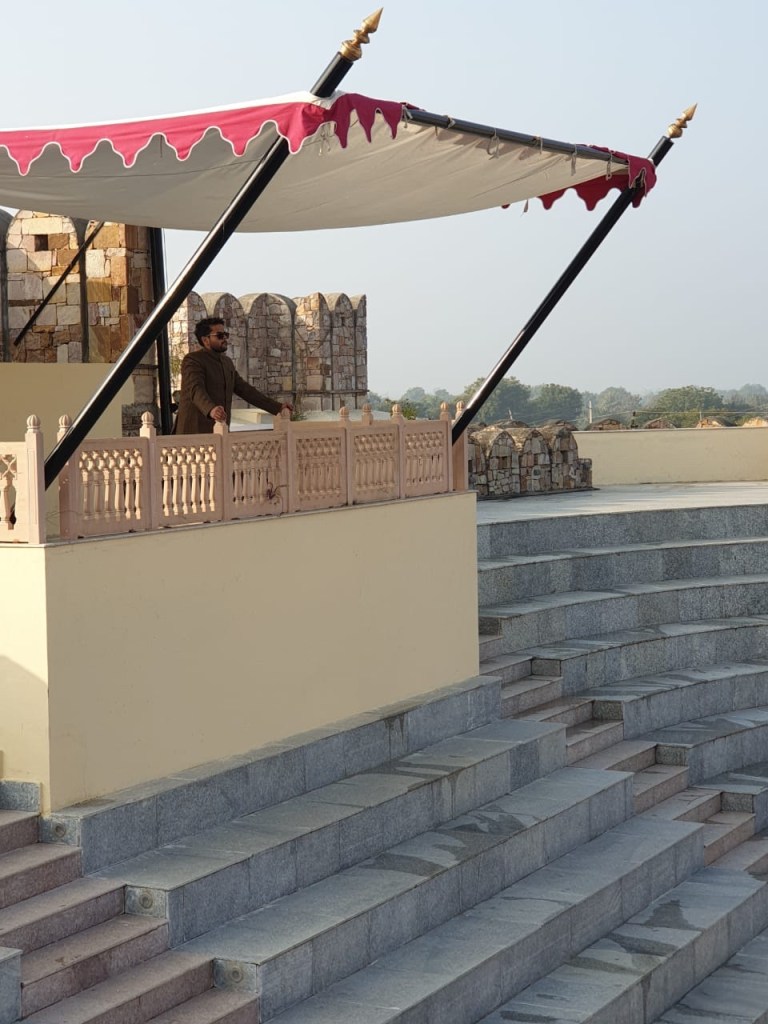
DIWAN ANIRUDH SINGH MATHUR Prince – House of DIWANCeremonial Gathering in Palace
The hotel is located in Shimla, the gateway to the majestic Himalayas. Downtown Hotel with Colonial styling, 1 km from Shimla Station & 22 km from Jubalhatti-Shimla Airport. The Hotel is situated at the quite end of the famous Mall and is an ideal base from which to discover the unique beauty of the spectacular Himalayan ranges, Cedar forests and ancient monasteries.
Dining
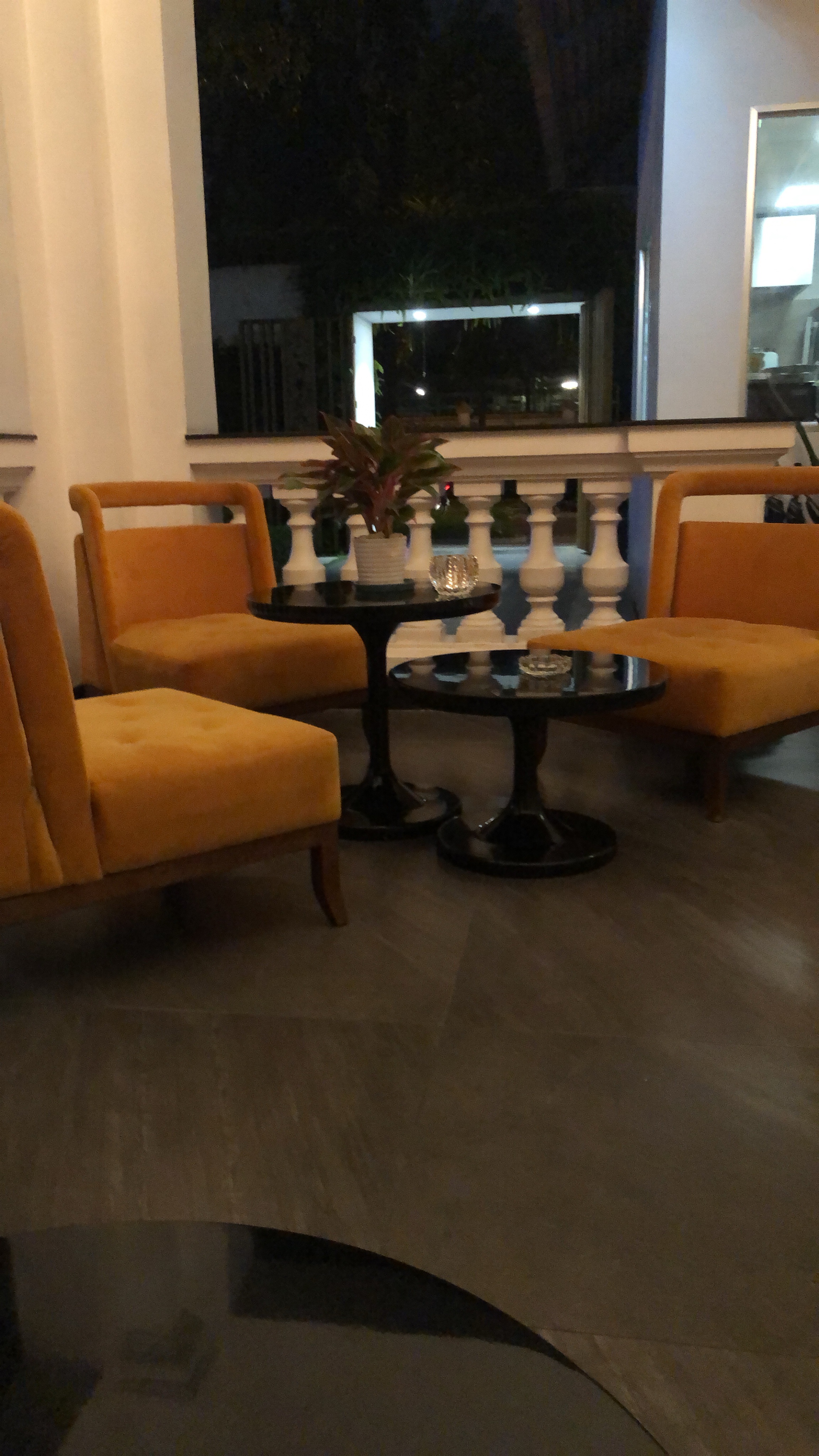
This hotel is home to a restaurant and a bar/lounge. Order from 24-hour room service to satisfy your hunger without leaving your room. For your convenience, a full breakfast is served each morning for a fee.
Rooms
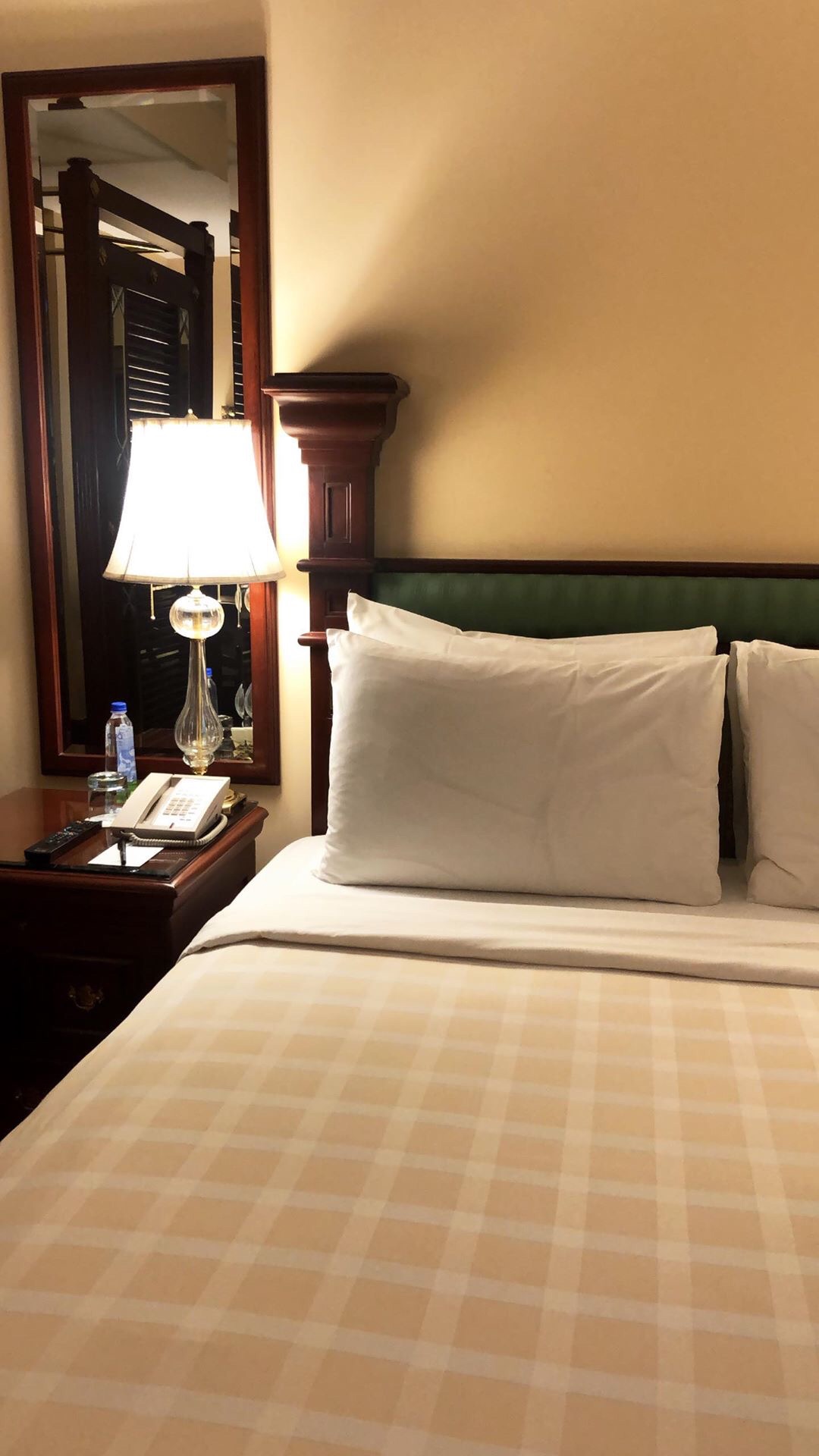
All 75 air-conditioned rooms provide minibars, coffee makers, and free newspapers. Guests can expect wired Internet, free WiFi, and flat-screen TVs with satellite channels. Beds are dressed in premium bedding and bathrooms offer deep soaking tubs, hair dryers, and designer toiletries. Free bottled water, safes, and
Shimla is located in northern India, in the apple and cherry region of Himachal Pradesh. The British summer capital during colonial times, Shimla boasts many examples of original British architecture; from churches to offices, private residences and a theatre.
During the times of the British Raj, ours was the most exclusive hotel in Shimla; known for its fabulous ballroom dances and fashionable clientele. More than a century later, The Oberoi Cecil continues to maintain its exclusivity with its colonial charm and classic elegance.
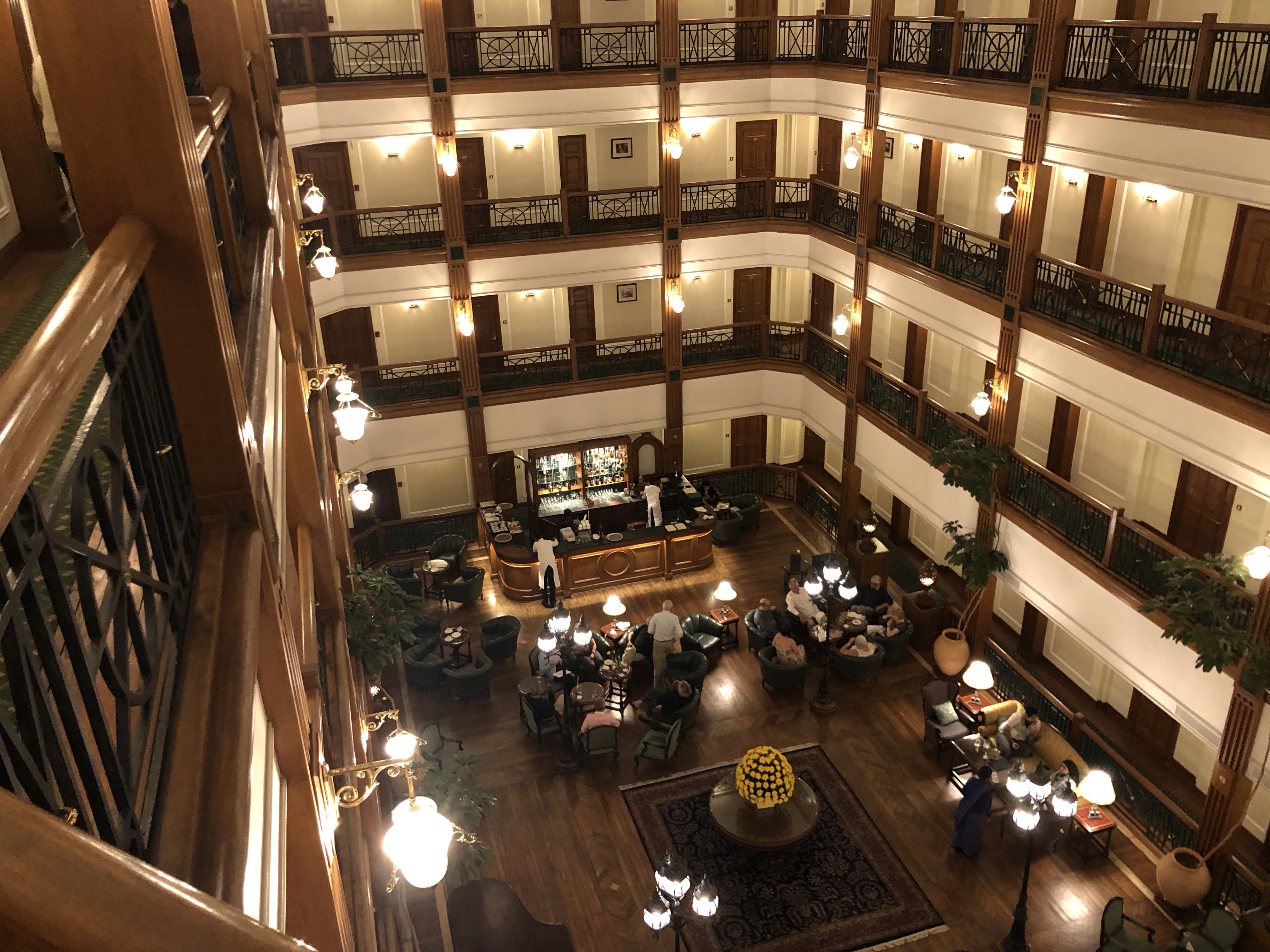
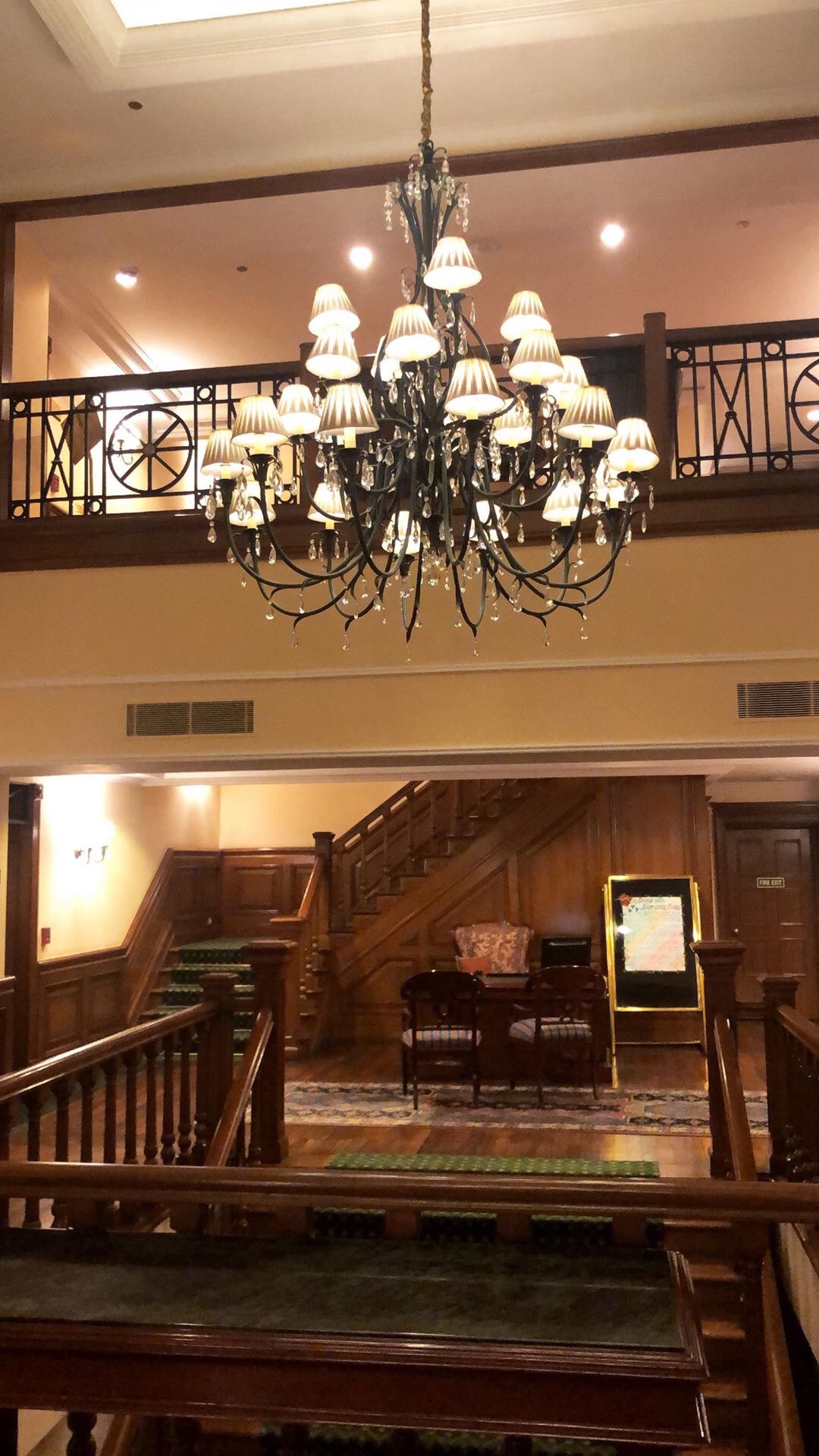
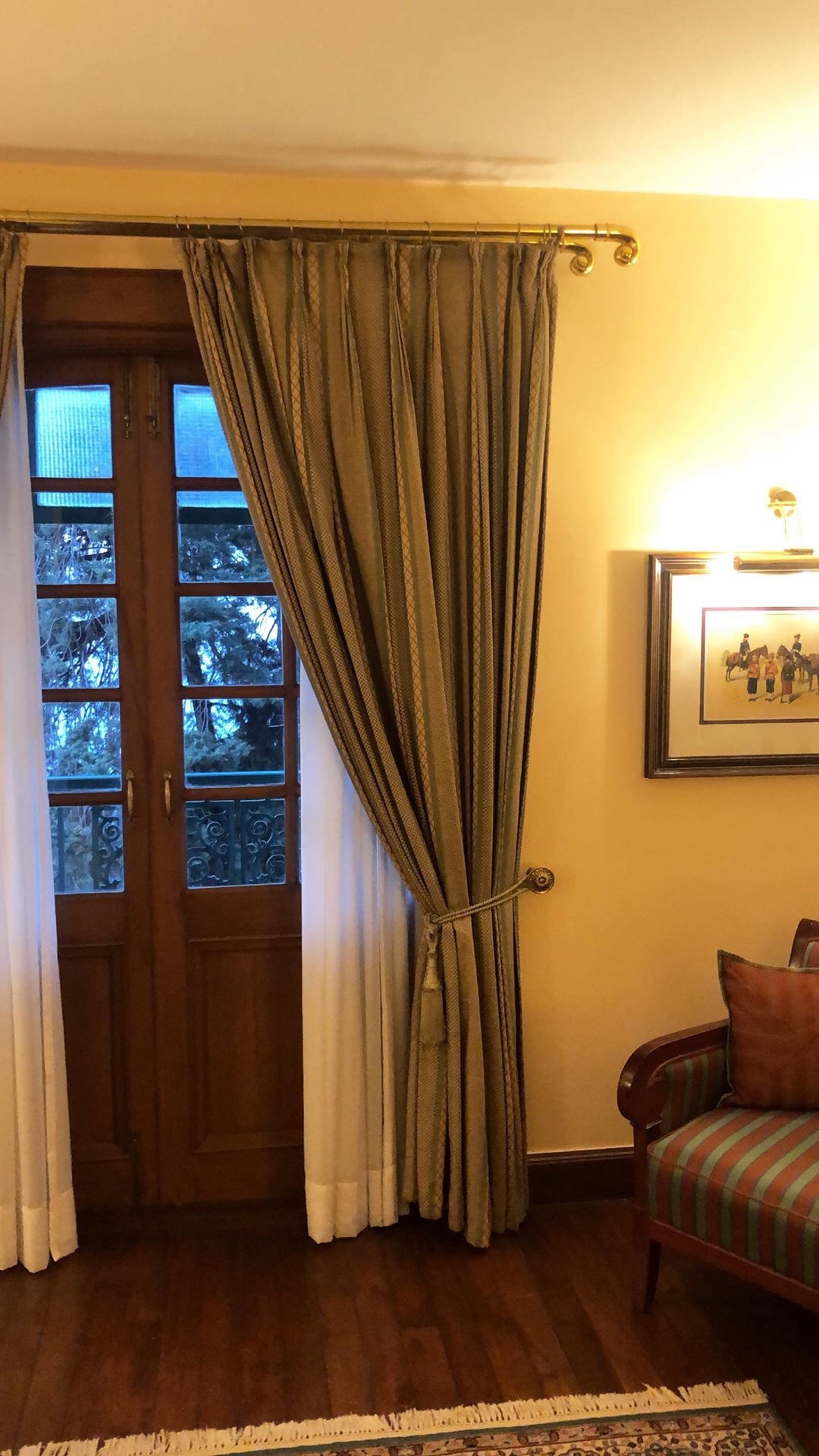
A Heritage Grand Hotel with rich wooden floors, glowing fireplaces, a grand atrium lobby and panoramic mountain views, The Oberoi Cecil’s warm ambience flows into your veins; as you come through the front door to your room or relax at the spa.
French influence on Vietnamese cusine can be seen in the crispy baguettes and cured meats used in bánh mì, hearty beef served in bowls of phở, and creamy bánh flan, amongst other dishes.
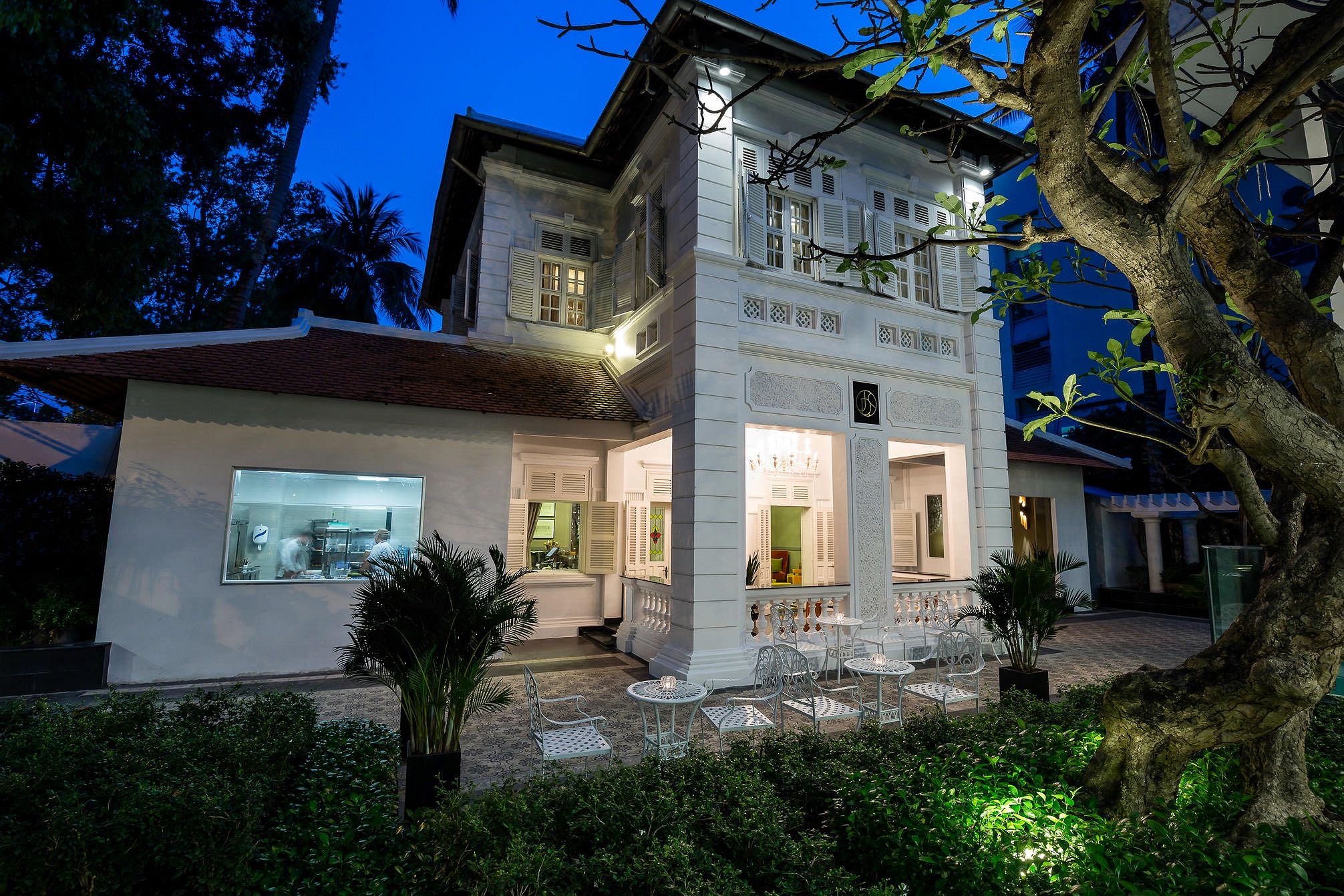
But amidst all the delicious fusion of flavors and preparations, French cuisine that hasn’t been altered or adulterated is far more difficult to find, even in metropolitan Saigon. Two three-star Michelin chefs are aiming to change that with their new French gastronomy restaurant,
In addition to its location, the restaurant has attracted attention because of its founding chefs. Twins Jacques and Laurent Pourcel have received international acclaim and Michelin recognition for cuisine that the New York Times describes as “complex in ingredients, rich in flavor, but simple to understand.” Given France’s long, albeit troubled, history with Vietnam and the city’s current dearth of authentic French options, they decided Saigon was the ideal place to establish the second iteration of their famed Jardin Des Sens restaurant (the original is found in Montpellier, France). The flagship restaurant will alow the brothers to educate Vietnamese guests about French gastronomy’s unique cuisine and culinary arts.
Sons of a winemaker and mentored by some of their home country’s greatest chefs, the Pourcel’s brothers’ style is steeped in French tradition and in many ways exemplifies current trends of returning to time-honored preparation methods. While many associate French cuisine with heavy sauces and overwhelming richness, the southwestern part of the country where the brothers are from relies more on simplicity to spotlight the essence and freshness of the ingredients. Vietnam affords them new meats, fruits, vegetables and spices to focus on, but dishes are always made according to traditional French techniques.
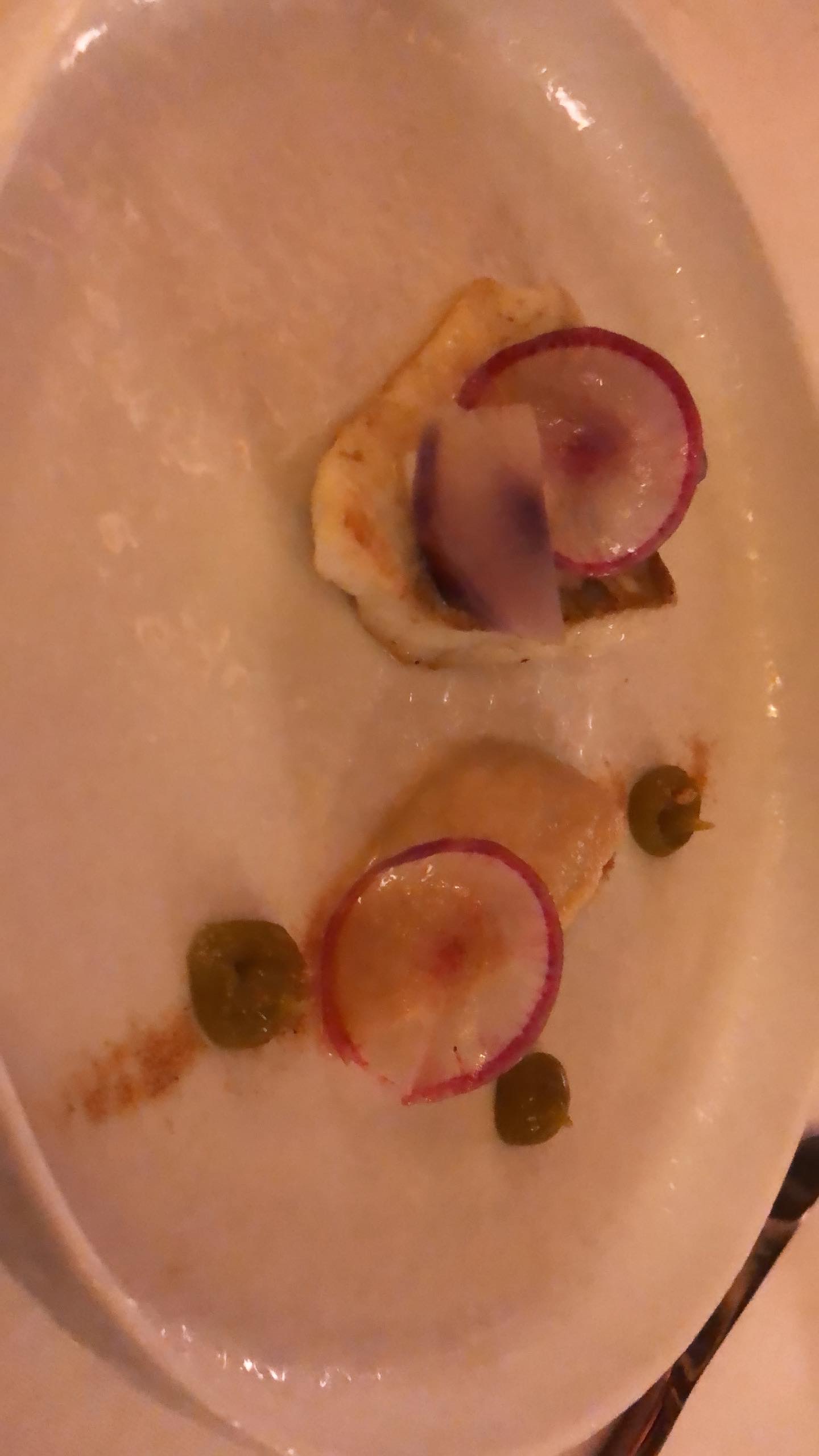
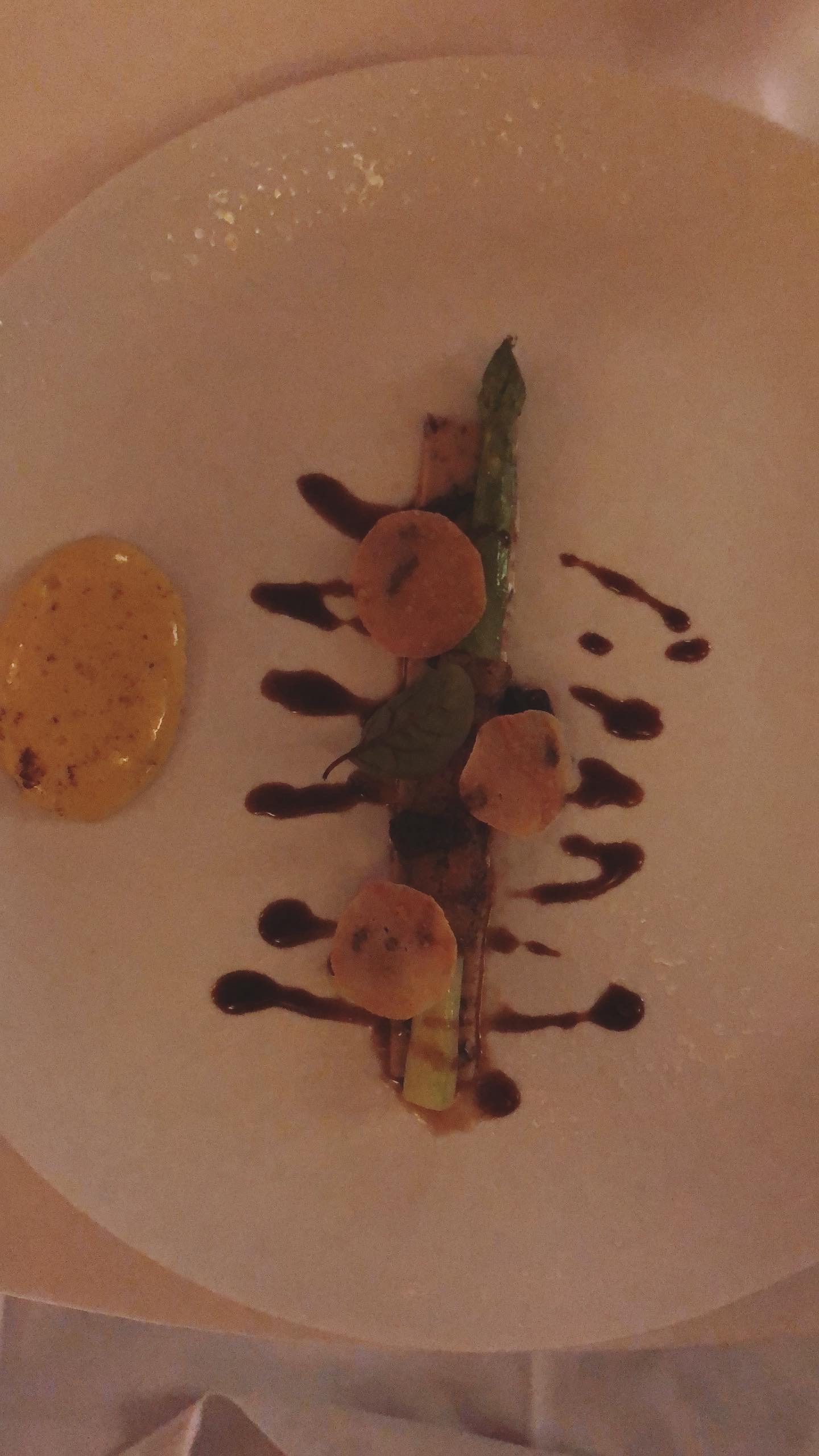
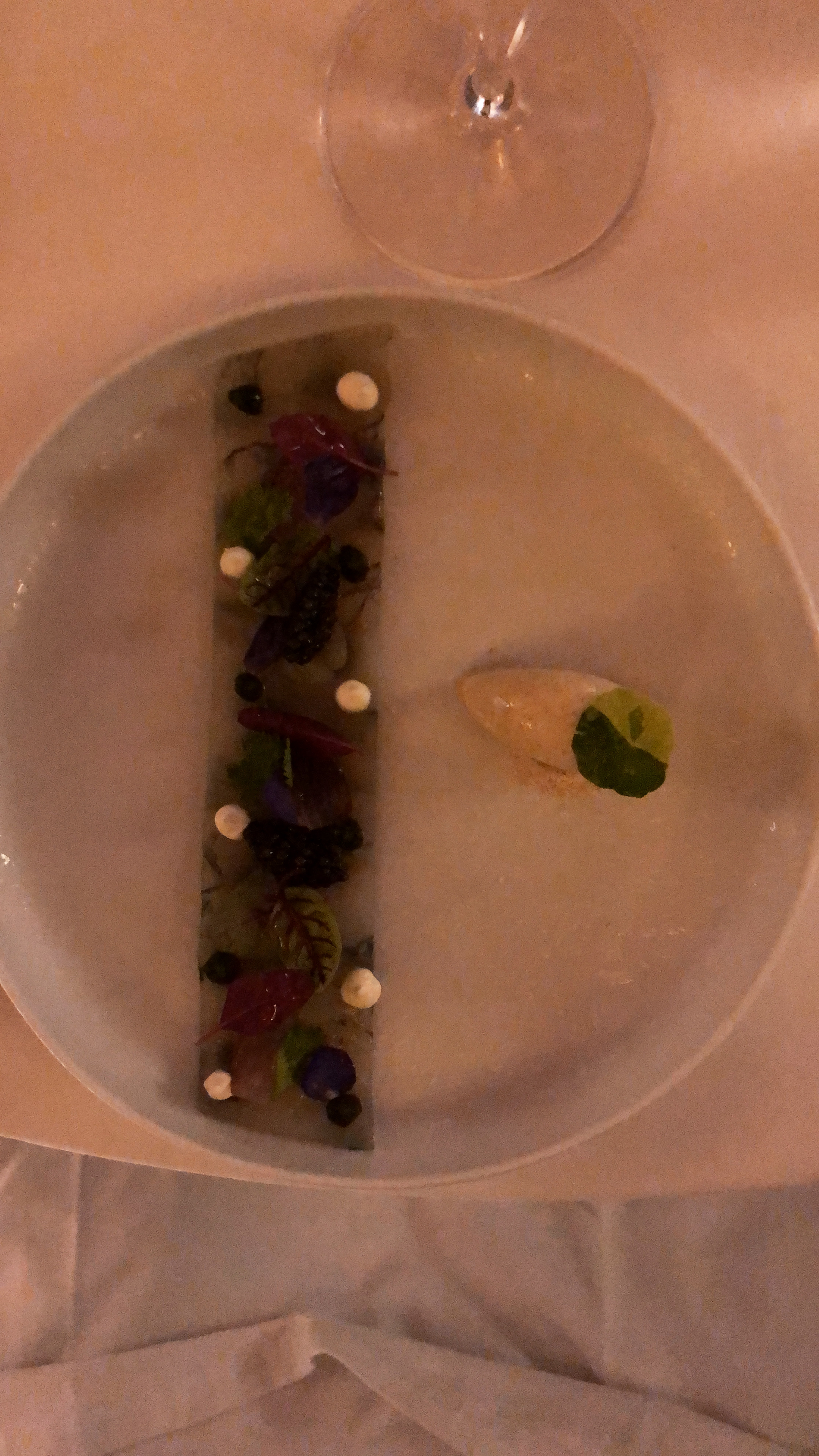
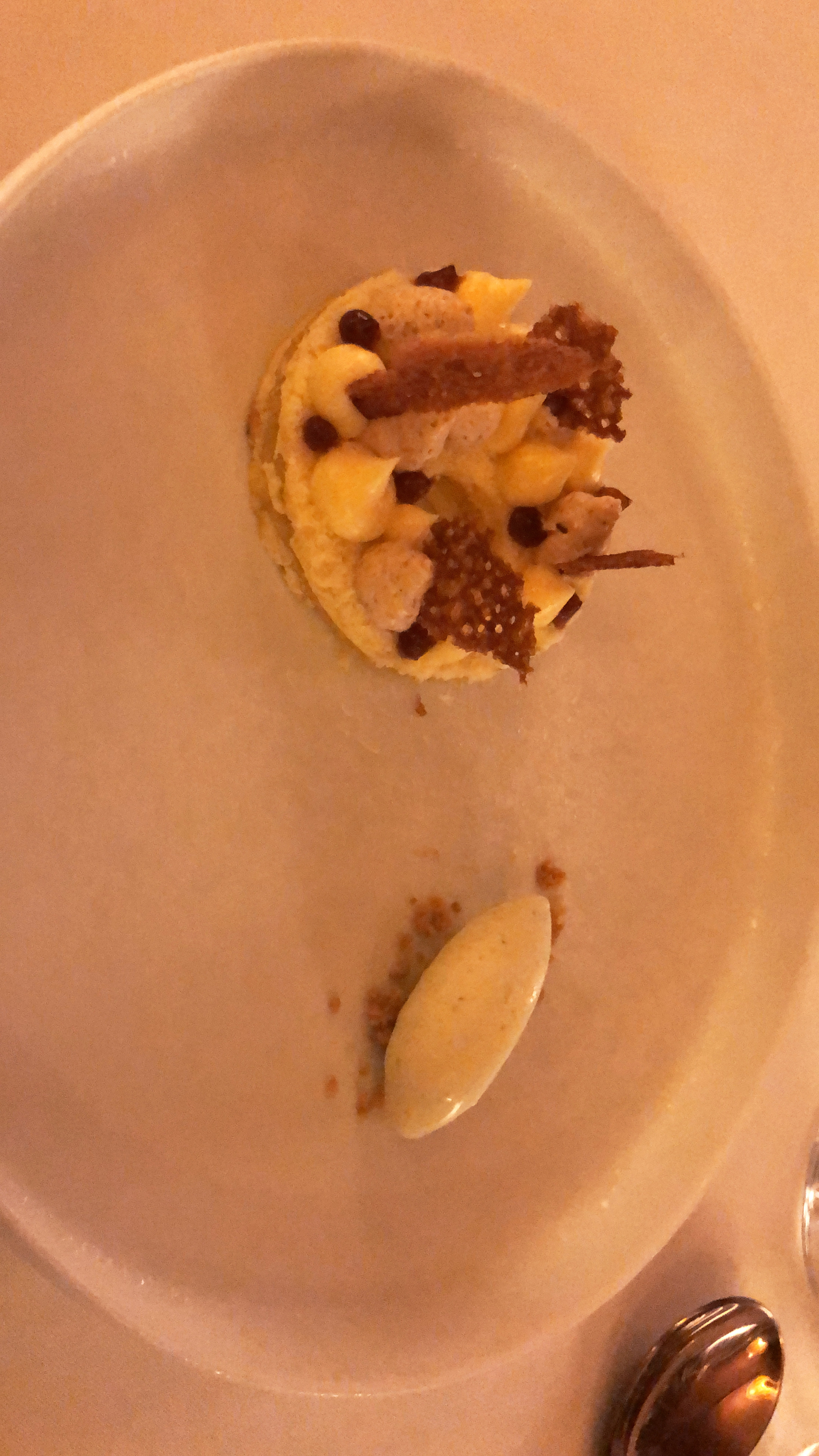
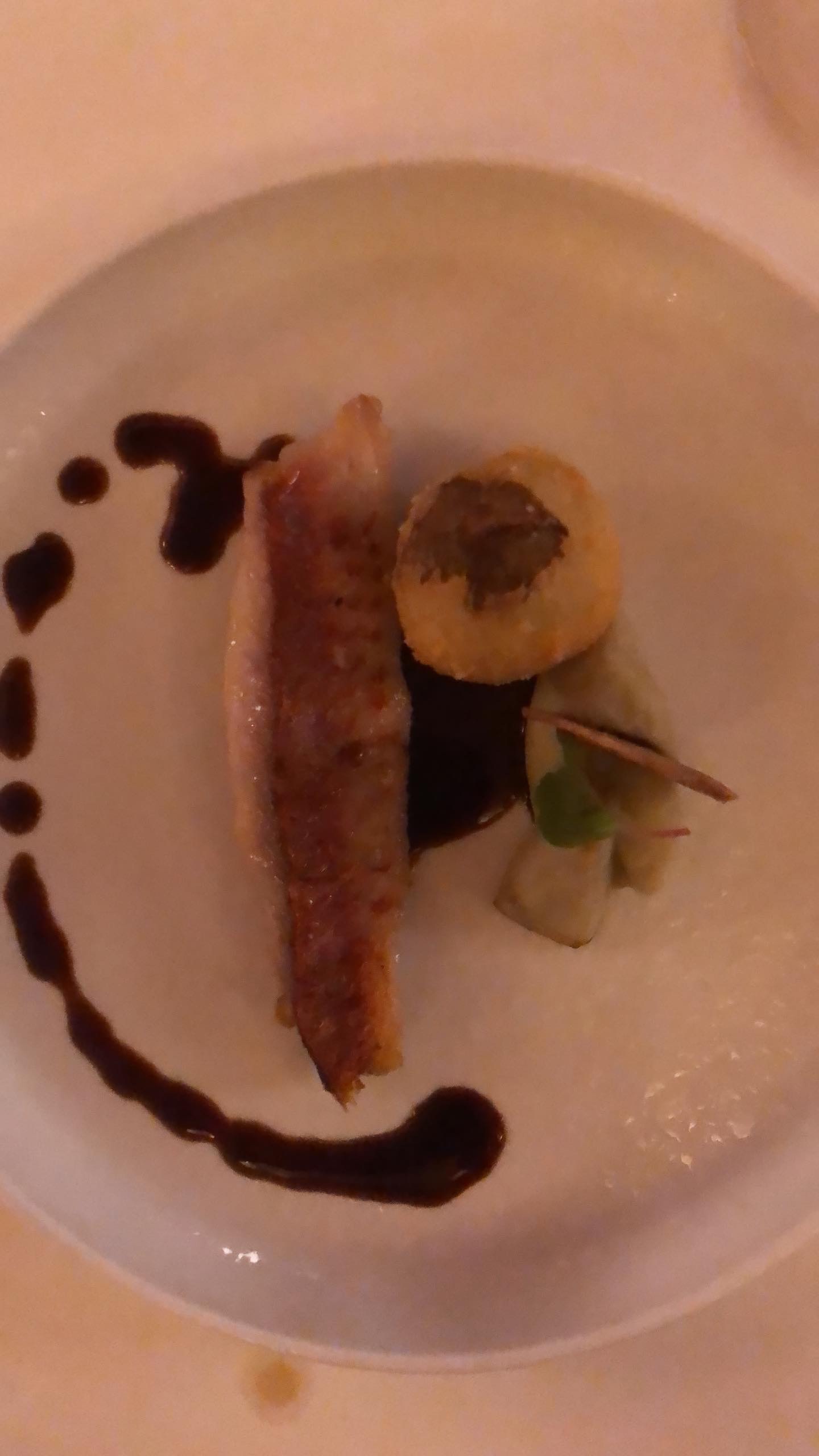
While the chefs adhere to traditional cooking methods, being in Vietnam enables them to introduce ingredients from local markets and regional distributors. This flexibility is showcased in the king crab, an item not common in the French countryside nor conventional Vietnamese kitchens. The dish takes inspiration from the frigid waters the crustacean lives in, so a cold coconut snow accompanies the lemon-cooked meat alongside a slick champagne jelly and bloody mary sorbet. After admiring the exquisite arrangement on the plate, guests are reminded, “to get the best, make a mess,” and therefore mix all the elements together. Diner’s initial bewilderment at the dishes’ chilling effect on their tongues quickly gives way to surprise and delight as the unexpected flavors and textures combine for a layered and gracefully balanced taste.
Jardin Des Sens aims to surprise their guests in more ways than just the meals they offer. This goal helps inform the restaurant’s size and schedule. By offering a single lunch and dinner service for no more than 30 people each, the restaurant ensures each diner receives personal attention while also allowing them to slowly savor the atmosphere. It also allows for unexpected delights. For example, whenever a guest requests pepper they don’t receive a typical hand grinder; instead, a server carries to the table an 80cm-long grinder designed by the famed French race car company Peugeot, in playful homage to the firm’s origins in grinders. If a guest jokes, as often happens, “Don’t you have anything bigger?” the waiter returns with a 1.2-meter version of the tool.
Small moments like these make all the difference in providing memorable meals. This is why, when one of the Pourcel brothers is in town, which is about one week per month, he will unexpectedly appear at tables to hand-finish a dish and return for photos and small-talk. Rather than serve as figureheads, the brothers take an active role in designing and refining the menu to make sure their vision is accurately conveyed through each course. Later this year, they will bring this same attention to three new Saigon restaurants – Mama Sense, Terminal 2 and Café Francais.
Vietnam has a well-earned reputation for its cuisine that incorporates French ingredients and flavors. But a truly authentic French meal is hard to come by here. Jardin Des Sens, therefore, has a unique opportunity to educated Vietnamese guests about French gastronomy through culinary artistry and one-of-a-kind dining experiences.
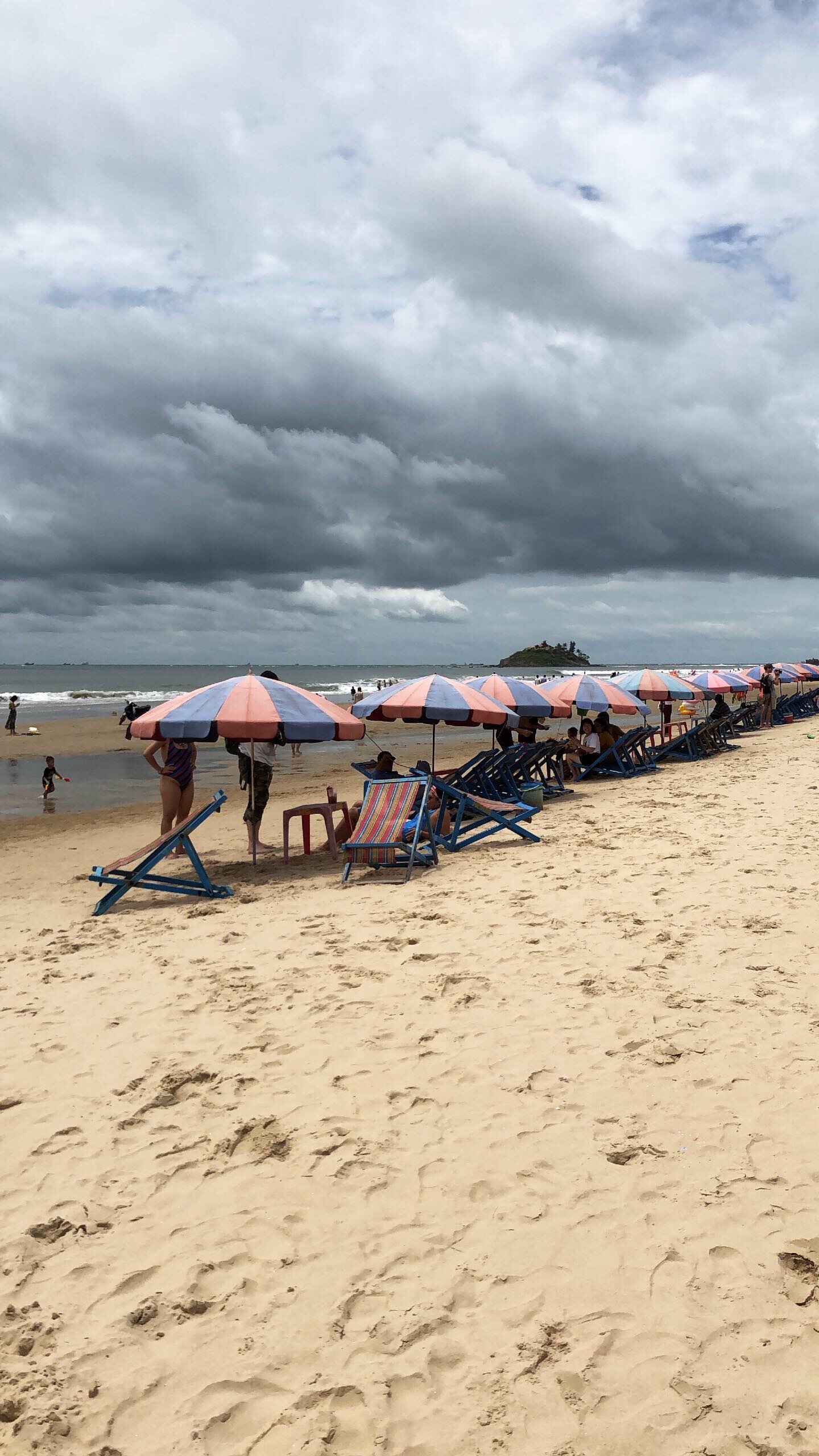
The beach is super chilled and water is nice and clean. Definitely a great spot to spend the day with the kids or family. A few facilities and sports which makes is also nice for the adults. Vung Tau is the closest beach destination from Ho Chi Minh City, easily accessible via a two-hour, air-conditioned bus ride. This makes it a perfect escape from the city’s hustle and bustle.
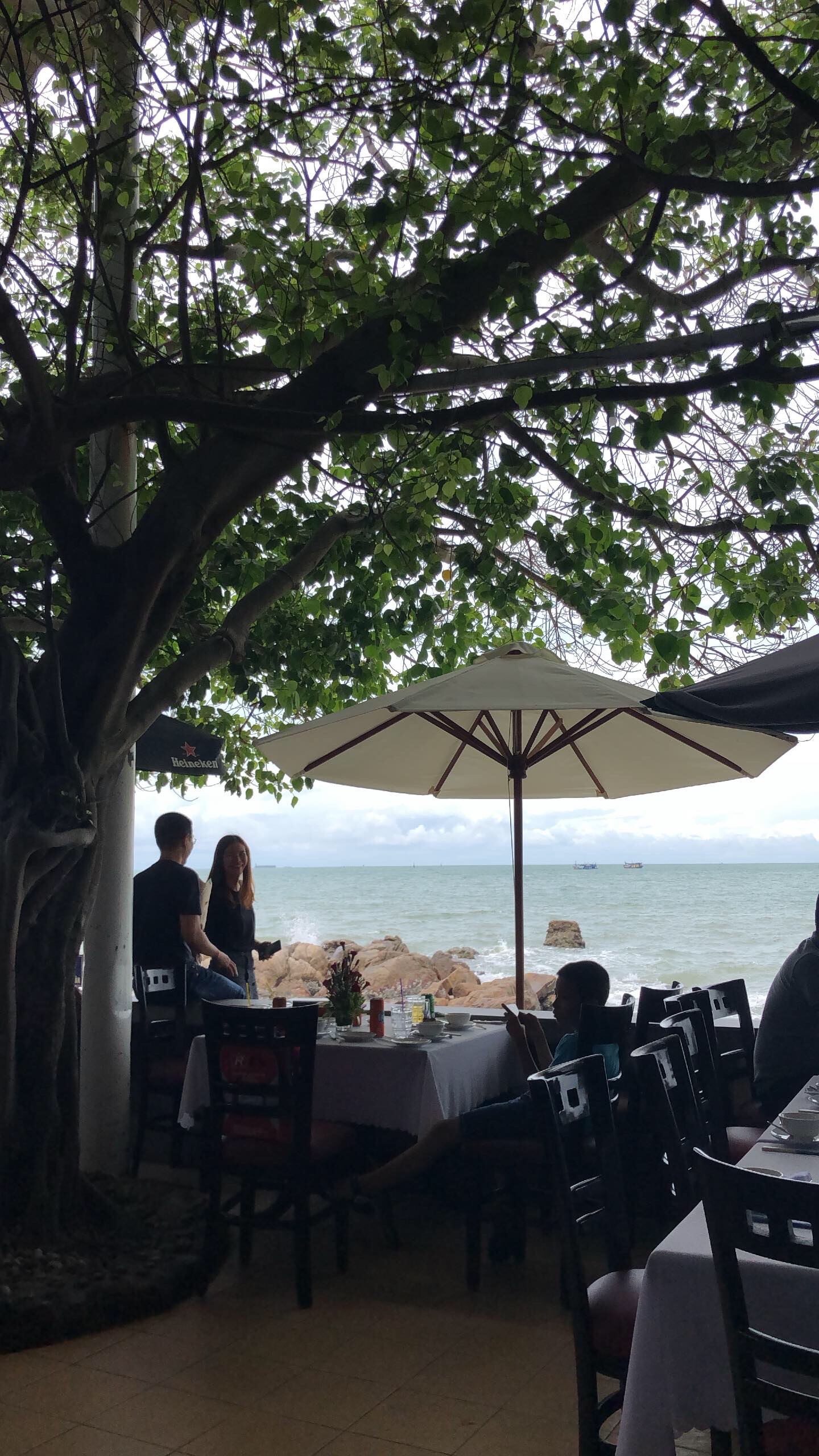
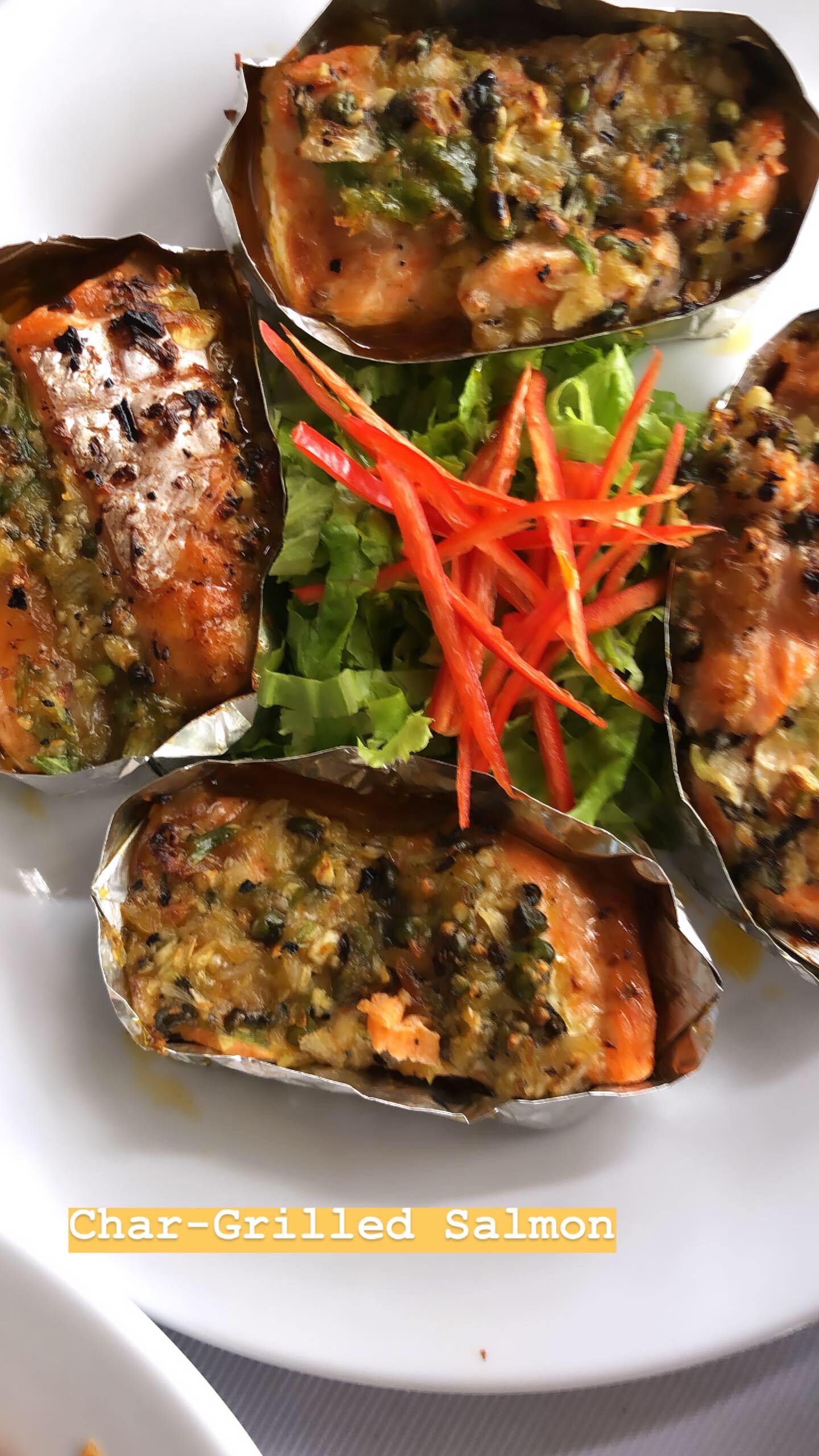
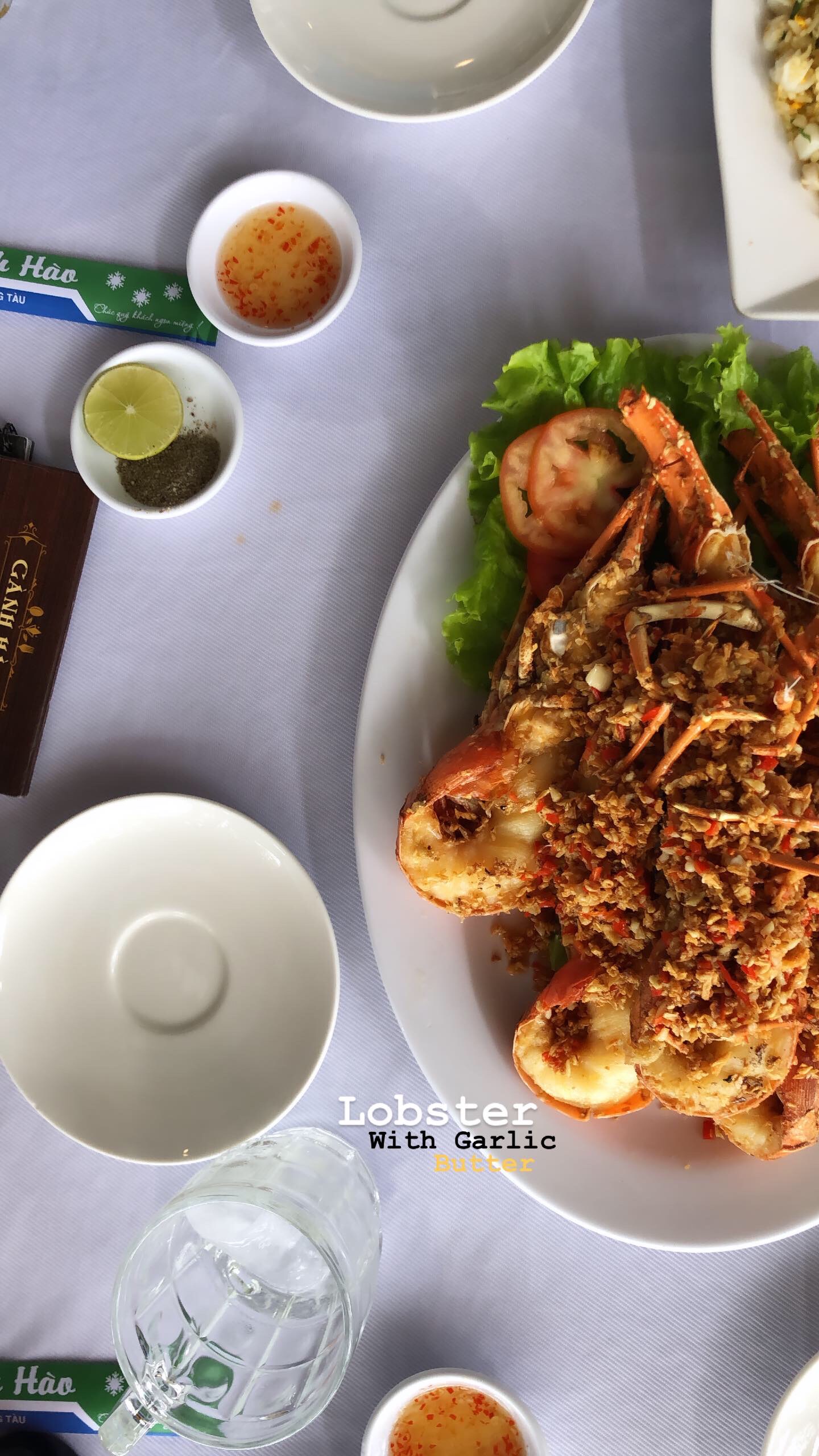
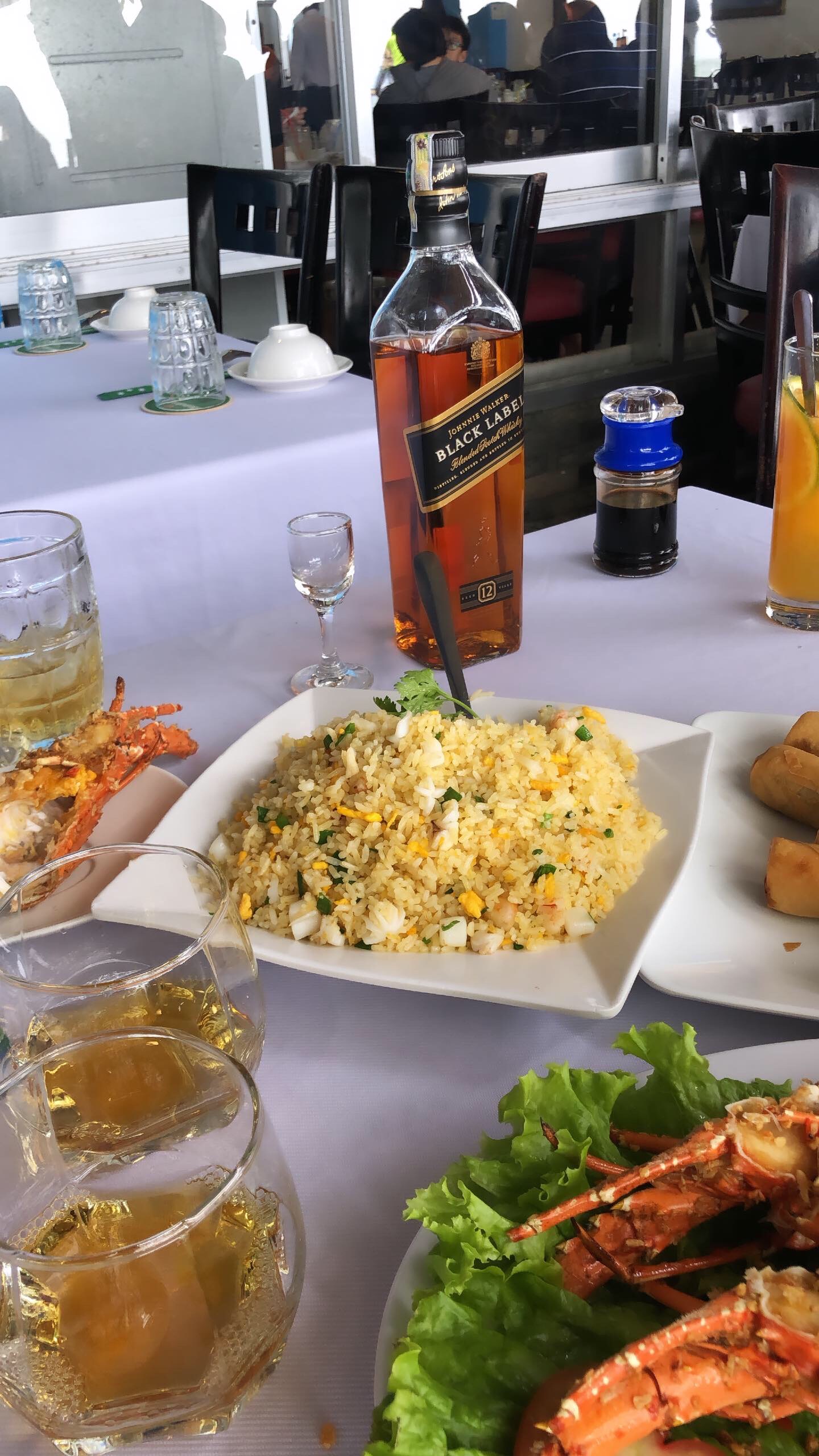
Vung Tau has four known beaches—Front Beach, Back Beach, Pineapple Beach, and Paradise Beach. Front Beach (Bãi Trước) is the most popular, which for many others is enough reason to stay away. In addition to the crowds, the water is rather polluted and doesn’t offer the best beach setup. However, you can still enjoy some fresh seafood at the many stalls and restaurants that have set up shop—they serve some of the most delicious seafood in the south of Vietnam.
For a better beach experience, head to any of the other three. Back Beach (Bãi Sau) is much less dirty, and perfect for surfing. As the beach gets some wonderful wind swells, kitesurfing shops have appeared over the years, offering rentals and classes for all levels.
Pineapple Beach has calmer waters and fantastic sunset views, while Paradise Beach belongs to a resort park with a rather exclusive crowd. Here you have to pay an entrance fee which grants access to luxuries such as showers, and a fancy strip with high-end dining options.
A must visit for everyone travelling to HCMC (Ho Chi Minh City).
“Travel isn’t always pretty. It isn’t always comfortable. Sometimes it hurts, it even breaks your heart. But that’s okay. The journey changes you; it should change you. It leaves marks on your memory, on your consciousness, on your heart, and on your body. You take something with you. Hopefully, you leave something good behind.”